



Ozetta Thomas is praying that God saves Jeffery Lee’s life.
For years, she’d thought that she and a jury of Lee’s peers had already done that.
“He’s in my prayers constantly,” Thomas said on Wednesday, a day before the State of Alabama plans to execute Lee by lethal injection.
Twenty-six years ago, Thomas voted with her fellow jurors, 7-5, to recommend Lee serve a sentence of life in prison without the possibility of parole for the 1998 shooting deaths of Jimmy Ellis and Elaine Thompson and attempted murder of Helen King.
Lee was guilty, the jury decided, but he did not deserve to die for his crimes. But the jury’s vote to spare Lee’s life wouldn’t stand.
Instead, an elected judge overrode the jury’s vote for life without parole, choosing instead to sentence Lee to death, a process now outlawed across the United States.
“We didn’t even know the judge had that authority,” Thomas said. “The jury was never told anything about that.”
Still, nearly three decades later, the State of Alabama is preparing to execute Lee by lethal injection, having lost its legal battle to end his life by nitrogen suffocation.
Alabama’s decision to execute Lee against the jury’s wishes makes Thomas sick to her stomach.
“I just can’t take it,” she said. “I just can’t stop the tears from coming.”
Thomas said that by following through with Lee’s execution, the state is throwing away the judgment of the jury.
“They wasted the jury’s time,” Thomas said. “They wasted my time.”
The trial was a traumatic and difficult experience for everyone involved, she explained, and to dismiss the jury’s decision diminishes the service they provided.
“I just can’t stop the tears from coming.”
Thomas said she’d felt it was her civic duty to serve on a jury when she was called. It wasn’t until later that she’d find out the gravity of the case she’d have to consider. Still, Thomas felt it was her role as a citizen to listen to the facts of the case and come to a decision based on the evidence and the law.
What she and other jurors in Lee’s case weren’t told is that Alabama law allowed judges to overturn the sentencing decisions of juries in capital cases. In practice, judges overwhelmingly overrode life sentences to death, particularly in election years.
Elected judges sentenced 25 of the 149 men currently on Alabama’s death row to die after juries voted to spare their lives.
Thomas knew nothing of the practice.
Other critical information, including Lee’s background, was also left out of the trial.
As a young child, Lee and his siblings struggled through poverty while navigating domestic violence and substance abuse, according to appeals court records and family accounts. By age 8, Lee was already huffing gas. Not long after, he began drinking heavily. Then, in high school, Lee was in a head-on collision with an 18-wheeler and suffered a traumatic brain injury, compounding his preexisting mental health problems, which included auditory hallucinations.

Thomas said that she and other jurors at Lee’s trial—the citizens tasked with deciding whether he would live or die—heard none of those details.
“We didn’t learn anything about him,” she said. “None of that ever came up. So we didn’t even know enough to put him to death.”
If jurors had heard that mitigating evidence, Thomas believes the vote to spare Lee’s life would have been unanimous.
“Even without knowing much about him, the majority of us still voted to sentence him to life,” she said.
That decision should be honored, Thomas said.
The more Thomas has learned about Lee, the more she believes he should be given the opportunity to live out the remainder of his life.
For decades, Lee has been involved in multiple prison programs and organizations, including serving on the board of Project Hope to Abolish the Death Penalty, the only nonprofit run by men condemned to die in the country.
In that role, Lee has served as both a mentor for other men entering Holman Correctional Facility and a confidant for those already serving time on the row.
All of that positive impact matters, Thomas said.
“I can feel it in my heart that he’s been transformed by God,” Thomas said. “And the things he’s doing now, he needs to be able to continue that.”
Ultimately, barring court action, whether Lee lives or dies is up to Gov. Kay Ivey, who has the sole authority to commute Lee’s death sentence to life in prison without the possibility of parole.
Ivey has commuted two death sentences—more than any other Alabama governor—but the term-limited chief executive has also presided over 26 executions, another state record.
Thomas hopes the governor commutes Lee’s sentence. She believes that given what she knows now, Lee has served his time.
Ivey should finish the job the jury thought it had already done all those years ago, Thomas said.
“She can help Alabama by sparing Mr. Lee’s life,” she said. “The power is in her hands.”
Executing Lee would be an injustice, Thomas said: “And it would break my heart.”
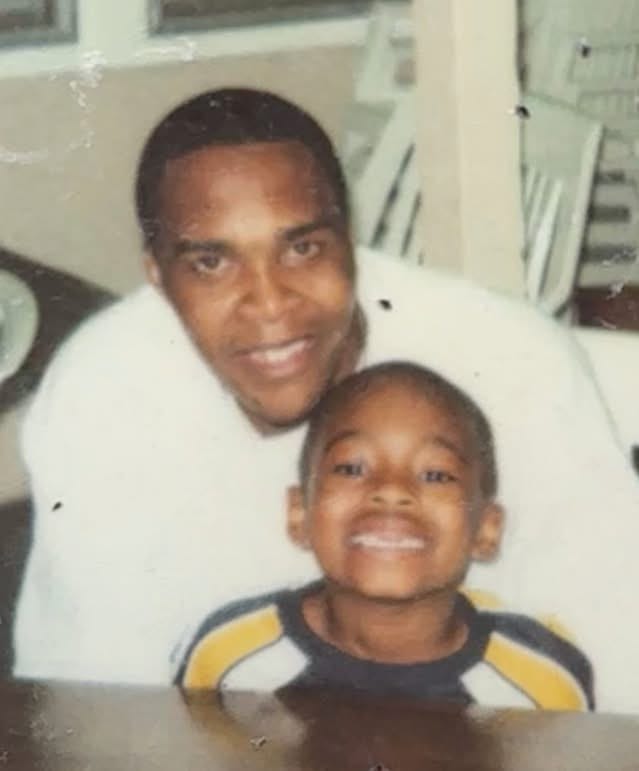
Tread’s Lee Hedgepeth will be present at Holman Correctional Facility on Thursday, Sept. 17, to serve as a witness if the State of Alabama moves forward with its plan to execute Jeffery Lee.